12 Essential Rideshare Safety Tips Every Traveler Should Know
Travel has become more convenient than ever across the United States, with millions of people relying on rideshare services for airport transfers, business trips, vacations, and everyday transportation. According to recent industry data, rideshare platforms continue to facilitate billions of trips annually, making them a routine part of modern travel. While these services offer flexibility and accessibility, travelers still face situations where personal safety can become a concern, particularly when navigating unfamiliar areas or traveling alone.
As rideshare use continues to grow, understanding practical safety measures has become increasingly important. Small precautions taken before and during a trip can help travelers stay aware of their surroundings and reduce potential risks. From verifying vehicle information to sharing trip details with trusted contacts, these habits can contribute to a safer experience on the road. Discussions surrounding Uber sexual assault reports have also increased public awareness about the importance of passenger safety, making rideshare best practices more relevant than ever for travelers in 2026.
Know the Risk
Reports of rider harm have raised serious questions about screening, trip monitoring, and delayed responses after complaints. Legal resources on Uber sexual assault claims show why each booking deserves attention, even during routine travel. Personal safeguards cannot replace corporate responsibility, but they can reduce exposure and help preserve details if something goes wrong.
Check the Vehicle
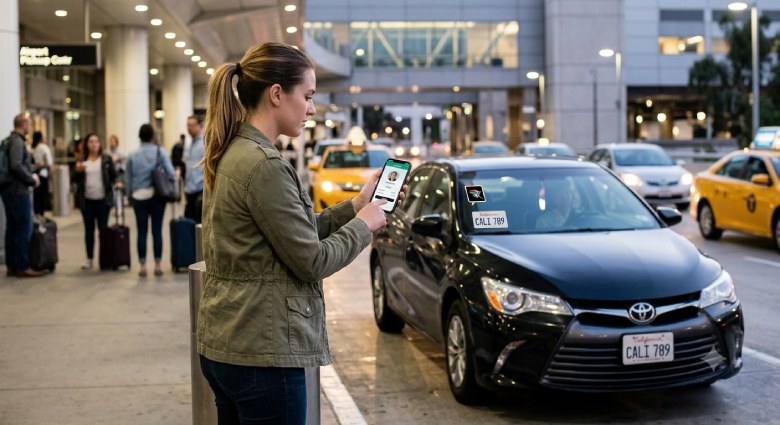
Before reaching for the handle, the rider should match the plate, make, model, and color against the app. A different car is enough reason to step back. Explanations about app errors should not outweigh visible facts. The safer response is to cancel, report the mismatch, and request another pickup from a well-lit place.
Confirm the Driver
The passenger should compare the driver's photo and name before entering. One simple question helps: “Who are you picking up?” A legitimate driver should provide the rider’s name without coaching. If the person asks first, pauses, or guesses, the traveler should recheck the booking and remain outside.
Share Trip Details
Live trip sharing gives a trusted contact the route, vehicle movement, destination, and estimated arrival time. That quiet backup matters during late rides, airport transfers, and unfamiliar neighborhoods. The traveler should send details before departure, then keep the phone accessible. A contact does not need constant updates when location tracking is already active.
Sit in the Back
The rear seat gives more distance, better visibility, and easier exit choices. Sitting behind the front passenger seat can provide a wider view of the driver’s hands, dashboard, and road. Small bags, medication, identification, and phones should stay close. Luggage in the trunk should never include items needed during an emergency.
Watch the Route
The rider should follow the route through the app or another map service. Minor changes may reflect traffic, road closures, or missed turns. A large shift deserves a direct, calm question. If the answer feels unclear, the passenger can ask to stop near shops, transit areas, or staffed buildings.
Avoid Private Details
Polite conversation does not require personal disclosure. Travelers should avoid sharing room numbers, home routines, medical appointments, work schedules, or solo plans. Brief answers are acceptable when questions feel intrusive. A passenger may also stop talking entirely. Silence is not rude during a paid ride, especially if personal safety feels uncertain.
Use Strong Pickup Spots
Good pickup points are bright, staffed, and easy to describe. Hotel entrances, airport lanes, clinic lobbies, office doors, and busy storefronts reduce isolation. Public areas are preferred, as they are brighter and busier. When possible, the traveler should wait indoors until the car arrives. Clear locations also lower confusion, which can prevent rushed decisions near traffic or crowded curbs.
Trust Discomfort
Concern does not need courtroom proof. Slurred speech, aggressive driving, sexual comments, anger, or boundary testing are enough to act. Before entry, the rider can cancel and move away. During travel, the passenger can request a stop in a public area. Personal discomfort is valid safety information.
Keep the Phone Ready
A charged phone supports maps, location sharing, emergency calls, and app reports. It should stay in hand or a reachable pocket, never buried in luggage. No driver should handle it. Travelers with long layovers, delayed flights, or late returns may benefit from a small battery pack and saved emergency contacts.
Review Before Riding
Profile details can offer useful signals before pickup. Ratings, ride count, vehicle information, fare, address, and destination should be checked before confirmation. A low score or incomplete profile may justify choosing another car. Accurate locations matter too, since a mistyped address can place someone on a quiet street or at the wrong entrance.
Report Serious Problems
Unsafe conduct should be reported once the rider reaches a secure place. Screenshots, receipts, route records, messages, times, and names can support a clear account. Immediate danger calls for emergency services first. Reports should stay factual and specific, with copies saved in case follow-up, medical care, or legal guidance becomes necessary.
Conclusion
Rideshare safety depends on repeatable habits, not fear. Travelers can verify the car, confirm the driver, share location, limit personal details, and leave when signals feel wrong. These steps support judgment during fatigue, stress, or unfamiliar travel. With a steady routine, riders protect privacy, maintain access to help, and move through each trip with better control.








Why HR Teams Should Connect Workforce Planning With Talent Development

Weltrade Broker Review: Examining Its Tools and Trading Environment