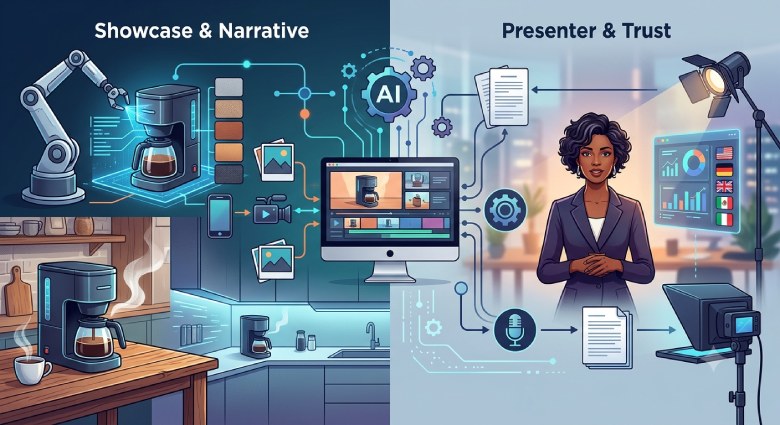
How to Create Product Videos That Actually Convert Using AI
The Conversion Gap That Better Product Pages Can Close
In e-commerce product page conversion optimization, high-quality video ranks among the most impactful single variables: it lifts add-to-cart rates, cuts return rates, and encourages positive reviews. Yet most independent sellers still rely on static image galleries, limited by the traditionally high cost, slow turnaround, and technical complexity of video production.
AI tools have drastically lowered these barriers, and the workflow outlined here enables lean operations to produce commercially usable video without a dedicated production team.
Why Most AI-Generated Product Video Underperforms
Most AI-generated product videos fail to lift conversions for two core reasons. First is visual drift: subtle frame-to-frame changes in product color, texture or details erode shopper trust and purchase confidence. Second is narrative incoherence: videos that only display products without conveying usage scenarios and value cannot resonate with buyers.
Seedance 2.0, built into the Pollo AI platform, addresses both issues. Its frame-level detail stability keeps product appearance consistent throughout sequences, making AI video commercially viable. Its multi-modal reference feature anchors generation to product images, reference clips and scene descriptions simultaneously, delivering accurate product-specific output, and can turn existing product photography into dynamic video without reshooting.
5-Step Workflow to Build High-Converting AI Product Videos for E-Commerce
Step 1 — Define the Conversion Story Before You Generate Anything
First, identify your product’s primary purchase barrier—the specific doubt or question that stops motivated shoppers from completing a purchase. For a premium kitchen tool, it may be uncertainty about build quality and material feel; for skincare, skepticism about visible results; for furniture, doubts about real-world scale and room fit. Structure your entire video around resolving this exact barrier, rather than creating a generic product showcase.
Effective conversion videos follow a three-beat narrative structure that mirrors a shopper’s natural decision journey: establish the problem or desire the product addresses, demonstrate the product solving it, and close with clear visual confirmation of the outcome. This framework actively moves shoppers toward conversion, whereas simple multi-angle product display only serves early-stage awareness goals. Both have roles in a content strategy, but target different stages of the decision process.
Step 2 — Prepare Your Reference Assets for High-Quality Generation
AI video delivers its strongest commercially usable output when grounded in high-quality reference material. Before starting generation, organize your product photography to match your narrative scenes: clean background shots for product detail sequences, lifestyle context images for use-scene sequences, and any existing footage showing the product’s physical traits or performance.
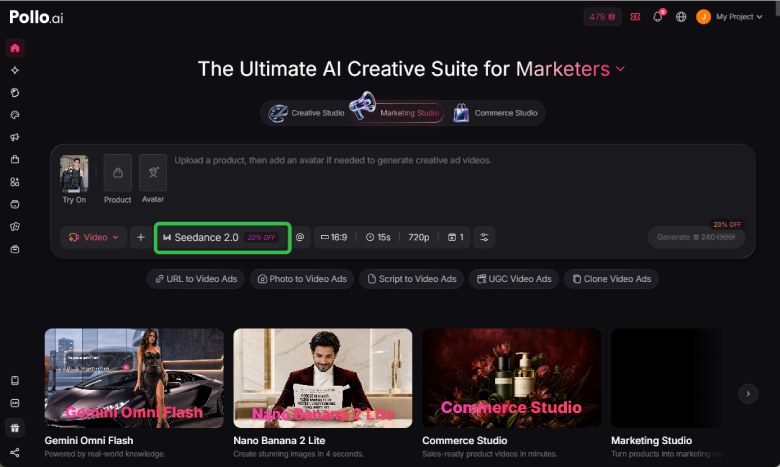
With Seedance 2.0 on the Pollo AI platform, the multi-modal reference system lets you combine a clean product photo, a lifestyle reference image, and a written scene description as simultaneous inputs. This anchors generation to your specific product’s visual characteristics, rather than the model’s generic understanding of your product category.
Write storyboard-level prompts instead of single-shot descriptions: define how each shot connects to the next, what camera movement supports the narrative, and what takeaway viewers should have. Seedance 2.0’s storyboard-to-video capability generates consecutive, rhythm-aligned segments, producing a cohesive multi-scene video without post-production assembly of disjointed clips.
Step 3 — Generate and Evaluate Your Core Product Showcase
Start with the detail sequence—close-up shots that communicate build quality, material texture, and finish. This is where visual drift is most damaging, as shoppers scrutinize the product closely. Use Seedance 2.0’s image-to-video generation anchored to your highest-resolution product photography, and review output specifically for color accuracy, surface detail fidelity, and natural motion. Regenerate any sequence where product appearance deviates from your reference before moving to the next scene.
Next, generate use-context sequences that place the product in relevant lifestyle environments. These scenes carry the video’s narrative weight, as they let shoppers imagine themselves using the product. Use Seedance 2.0’s text-to-video generation for these scenes, with detailed prompts specifying environment, lighting, activity, and emotional tone to align with your brand’s positioning.
Step 4 — Add Presenter-Led Content for Education and Trust
Product showcase videos drive initial interest, but presenter-led content builds the trust that converts interest to purchases—especially for products with learning curves, specific usage protocols, or value propositions that need explanation.
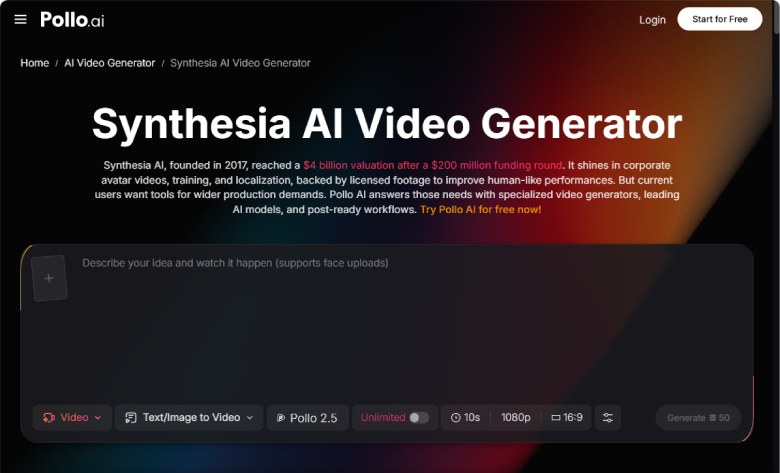
For this content layer, Synthesia provides a scalable, professional workflow that requires no camera equipment or on-screen talent. AI video assistant reprocesses your existing product documentation spec sheets, FAQs, usage guides directly into structured video scripts already packaged with 140 Language delivery for the sellers operating across global markets.
You have 160+ AI avatars and centralized brand controls (logos, colours, typography) that gives on-brand output at scale. Pairing Synthesia for Educational content with Seedance 2.0 on Pollo AI for Showcase & Narrative Video covers the two layers of content that deliver the biggest e-commerce conversion lift.
Step 5 — Optimize for Platform and Placement
For example, a product listing video has different technical requirements and alternative formatting in comparison to clips for social media or paid ad assets. Always check the output against each of your distribution platforms' specs for resolution, aspect ratio, file size and duration before you publish. Create different versions for different platforms, rather than just cropping a single master video: the framing + pacing that works in a landscape barter listing video translates poorly to social verticals without being specifically redesigned.
Common Mistakes to Avoid
Generating video before establishing the conversion story results in visually polished content that does not move shoppers toward a purchase decision. Skipping the reference asset preparation stage results in output that is visually approximate rather than product-specific.
Publishing without platform-specific optimization results in video that meets the technical minimum but does not perform at the level the content quality would otherwise support. And treating AI video generation as a one-time project rather than an ongoing production workflow means the content library ages while the competition's visual presence continues to develop.
Conclusion: Build the Workflow, Then Scale It
The sellers who will compound the most value from AI video generation are those who build a systematic production workflow and then scale it consistently across their catalog. Seedance 2.0 on Pollo AI handles the product showcase and narrative brand video layer with the fidelity and multi-scene control that commercial use requires. Synthesia covers the presenter-led education and multilingual content layer that builds purchase confidence and supports post-purchase retention.
Start with your highest-converting product category, build the complete video content stack for three to five products, and use what you learn to refine the workflow before applying it across the full catalog





Why HR Teams Should Connect Workforce Planning With Talent Development
Weltrade Broker Review: Examining Its Tools and Trading Environment