How to Turn a Simple Business Idea into a Promotional Video with Text to Video AI
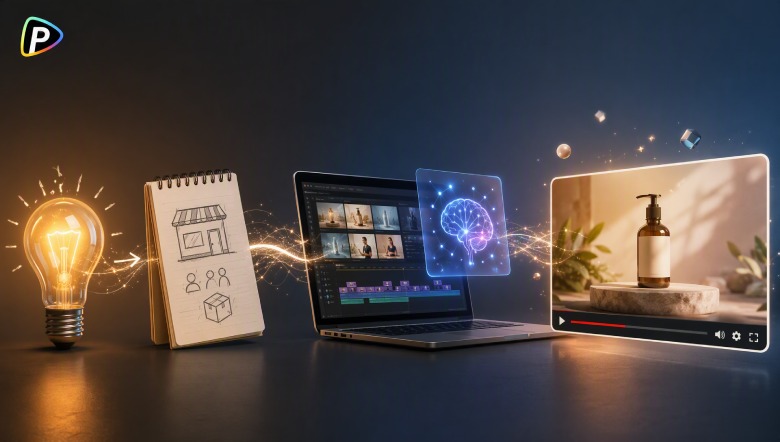
A local business may have a good idea for a promotional video but no camera crew, actors, or ready-made footage. Text to Video AI from Pollo AI can help turn a written idea into a short video.
For example, a bakery could describe fresh bread coming out of the oven. A salon could create a video showing a customer enjoying a new hairstyle. A home-cleaning business could show a messy room becoming clean and organized.
The process is simple: decide what the video should show, describe the idea in everyday language, generate the video, and make changes if needed.
What Is Text to Video AI from Pollo AI and Why Choose It?
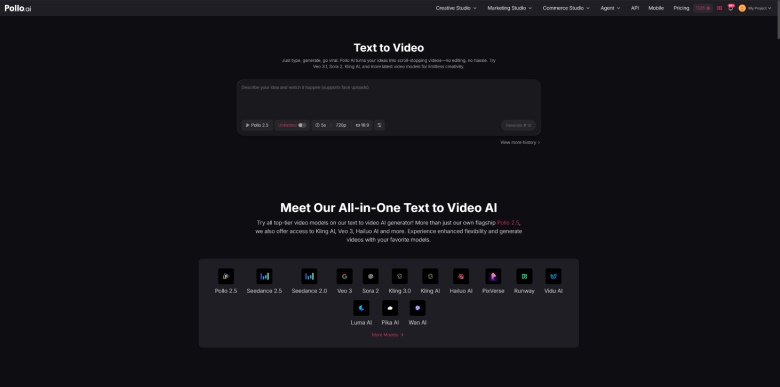
Text to Video AI from Pollo AI creates videos from written descriptions. Simply explain what should appear in the video and what should happen. The description can include the people, products, location, actions, and overall look of the scene.
For example:
“A local bakery opens early in the morning. Fresh bread comes out of the oven, and a baker places warm loaves on a wooden display. Soft morning light, warm and welcoming atmosphere.”
Pollo AI can then use this description to create a video.
Pollo AI also provides several AI video models in one place. These models may create different looks or types of movement, so businesses can try more than one option when the first result does not fit the idea.
The tool also offers settings for video length and shape. A tall video may work well for phone-based social media posts, while a wide video may be more suitable for a business website or presentation.
How to Turn a Business Idea into a Promotional Video with Text to Video AI from Pollo AI
1. Turn the Business Idea into a Simple Video Idea
Start by deciding what customers should see in the video.
A general idea such as:
“Promote our local bakery.”
does not tell the AI what to create. It explains the business goal but not the video itself.
The idea becomes clearer when it is turned into a simple scene:
“A baker removes fresh bread from the oven and places it on a wooden counter. Customers enter the shop and look at the warm loaves.”
This description tells the AI who is in the video, where the scene takes place, and what happens.
The video idea can show a product, a service, a customer experience, or a familiar moment from daily business operations. A restaurant might show a chef preparing a signature dish. A florist might show a bouquet being arranged. A car-wash business might show a vehicle becoming clean and polished. Businesses can also explore other video-generation options available through Pollo AI, such as the DeepAI video generator, when developing different types of promotional video ideas.
For a short promotional video, it is usually better to focus on one idea. Trying to show every product or service in one video can make the result feel busy and unclear.
2. Turn the Video Idea into a Clear Description
After deciding what the video should show, add details that help the AI understand the scene.
A clear description usually answers a few simple questions:
Who or what is in the video? Where does the scene take place? What happens? What should the video look and feel like?
For example:
“A friendly florist arranges colorful flowers in a bright local shop. The florist ties a ribbon around a finished bouquet and hands it to a smiling customer. The camera moves slowly from the flowers to the customer. Warm natural light, cheerful and welcoming style.”
This description explains the main subject, location, actions, and overall feeling.
It is also important to describe movement. A short description such as:
“A beautiful flower shop with colorful bouquets.”
mostly describes a picture.
A video description should explain what happens:
“ ”
The second description gives the AI an action to turn into video.
There is no need to use technical or complicated language. Clear, everyday descriptions are usually easier to write and review. Keep the idea focused and avoid placing several unrelated products, locations, or activities in the same description.
3. Create the Video with Pollo AI
Open Text to Video AI from Pollo AI and enter the completed description into the text box.
Next, choose an available AI video model and select the video options shown on the page. Different models may create different results, so trying another model can be useful if the first video does not match the intended style.
Choose the video shape based on where it will be shared. A tall video may be suitable for TikTok, Instagram Reels, or other phone-based platforms. A wide video may work better on a website, YouTube, or a presentation.
After selecting the available options, start the video creation process. Pollo AI will generate the video from the written description.
4. Check the Video and Improve the Description
The first video does not have to be the final version. Watch it and compare it with the original idea.
Check whether the main product or service is easy to see. Make sure the people and actions look relevant to the business. Also consider whether the overall style feels suitable for the intended promotion.
If something is not right, change the part of the description related to that issue and create another version.
For example, if the background is too busy, add:
“Use a simple shop background with only a few customers.”
If the product is difficult to see, add:
“Keep the product clearly visible in the center of the video.”
If the movement is too fast, add:
“Use slow and natural movement.”
Changing one or two details at a time makes it easier to see what improves the result.
Once a suitable video is ready, the business can add its logo, name, address, promotion details, or a short message during editing. These details may be easier to add afterward because AI-generated videos may not always show logos, signs, or product labels exactly as intended.
Before posting the video, check how it looks on the device and platform where customers will watch it. Small text may be difficult to read on a phone, and important details near the edge of the video may be cut off or harder to notice.
Conclusion
Text to Video AI from Pollo AI gives local businesses a simple way to turn written ideas into promotional videos.
The process does not require AI knowledge. Start with one clear idea, describe what customers should see and what should happen, create the video, and improve the description if the first result is not suitable.
By focusing on familiar products, services, and customer experiences, local businesses can create original video content for social media, websites, and other promotional activities without starting with filmed footage.
How Operational Technology Impacts Enterprise Cost Efficiency



Companies That Can Help You To Launch a Game

How to Optimize AI Inference Cost and Performance