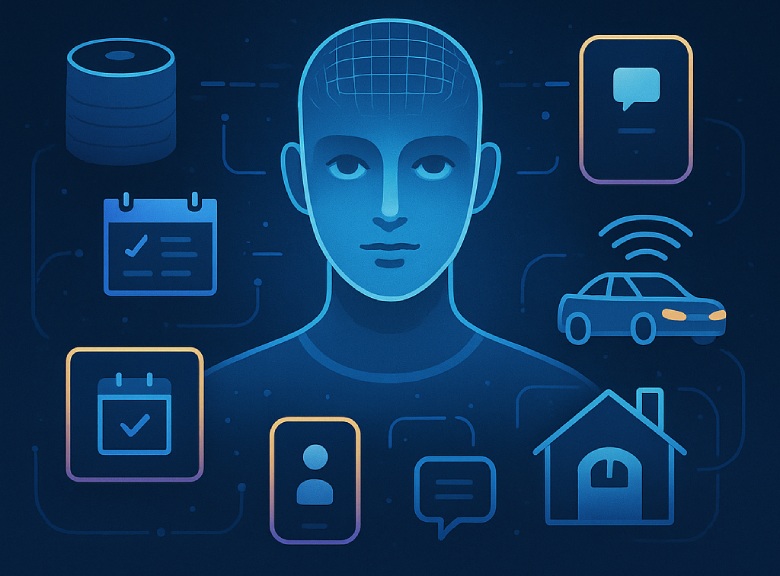
The Dawn of the Digital Mind: How AI Agents are Stepping Out of the Lab and Into Our Lives
Introduction to AI Agents and Their Rise
Welcome to a world where your fridge can text you, your phone can book your appointments, and your car can literally think ahead. Sounds like sci-fi? Not anymore. AI agents—those once-geeky lab experiments—are now chilling right inside our homes, offices, and even our pockets.
What are AI Agents?
AI agents are digital entities designed to perceive their environment, make decisions, and act to achieve specific goals—just like a mini brain with purpose. They're not just software; they're intelligent systems with memory, adaptability, and learning capabilities. Think of them as your digital sidekicks, silently getting stuff done.
Why the World is Paying Attention Now
Thanks to advances in computing power, big data, and deep learning, AI agents are no longer academic curiosities. They're showing up everywhere, solving real-world problems with surprising ease—and sometimes, creativity. The dawn of the digital mind is no longer coming; it's here.
But with this sudden rise comes a new wave of digital awareness. As AI agents become more integrated into our personal lives—reading our messages, listening to our commands, and managing our data—privacy has become a major concern. That's why it's more important than ever to download a VPN and safeguard your digital presence. Whether you're using AI assistants at home or interacting with chatbots online, encrypting your connection adds a crucial layer of protection in an increasingly AI-driven world.
From Research Labs to Real-World Impact
The Lab Years: Birth of AI Agents
It all began in the sterile, white-walled labs of MIT, Stanford, and other tech meccas. Early AI agents were clunky, rule-based systems built to play chess or do math. They were smart—but not exactly user-friendly.
Breakthroughs That Changed Everything
Enter deep learning, transformers, and reinforcement learning. Suddenly, AI agents could "learn" from vast datasets, adapt their behavior, and even understand natural language. That's when they started breaking free from labs and stepping into our lives.
Types of AI Agents You're Already Using
Personal Assistants (Siri, Alexa, Google Assistant)
From setting alarms to reading you the news, AI assistants are quietly managing millions of lives. They're the face (or voice) of AI for the average person.
AI in Your Inbox (Gmail Smart Replies, Scheduling Bots)
Ever noticed those eerily perfect suggested replies in your Gmail? That's an AI agent at work, reading context, and saving you time.
AI in Your Home (Smart Thermostats, Security, Appliances)
Your thermostat predicting you'll be home late? Your fridge ordering groceries? Yep—AI agents, working behind the scenes like silent butlers.
The Tech Behind the Magic
Natural Language Processing (NLP)
NLP allows machines to understand human language, from your angry customer emails to your late-night pizza order.
Machine Learning and Reinforcement Learning
These algorithms help AI agents learn from past experiences—like training a dog, only faster and with less barking.
Neural Networks and Transformers
These are the architectural backbones of today's AI brains—enabling everything from image recognition to GPT-style conversations.
AI Agents in Business and Enterprise
Virtual Customer Support Agents
They work 24/7, don't take coffee breaks, and actually remember customer history. Businesses love them. Customers? Surprisingly… also do.
Workflow Automation and ChatOps
AI bots are automating boring tasks in Slack, managing IT tickets, and even helping onboard new employees.
Decision Support and Data Analysis
These agents analyze oceans of data to help executives make smarter, faster decisions—think of them as supercharged spreadsheets with intuition.
In Healthcare: The Digital Doctor Is In
AI Diagnosticians
AI systems like IBM Watson are now assisting in diagnosing rare conditions faster than human doctors.
Medication and Treatment Management
AI agents monitor patient data, track medication schedules, and even suggest treatment tweaks—saving lives and cutting costs.
Virtual Nursing Assistants
These AI-powered companions provide 24/7 care, reminders, and even emotional support. Ideal for elderly and chronic patients.
In Education: Personalized Learning Paths
AI Tutors
They never get tired of explaining algebra. AI tutors are offering one-on-one help that adapts to each student's learning style.
Adaptive Learning Platforms
These platforms monitor your progress and adjust content in real-time—no two students get the same journey.
AI Grading Assistants
No more late-night grading marathons for teachers. AI can now grade essays, quizzes, and provide feedback in seconds.
The Role of AI Agents in Entertainment
Content Recommendation Engines
From Netflix to YouTube, these agents know your taste better than your best friend. Creepy? Maybe. Useful? Definitely.
Game AI and NPCs
Game worlds are evolving thanks to smarter NPCs powered by AI, making games feel more real and unpredictable.
AI in Film and Music Creation
AI agents are now writing scripts, composing music, and even editing videos—becoming co-creators in the entertainment industry.
Societal Shifts and Ethical Dilemmas
Privacy and Data Concerns
AI agents feed on data. But how much is too much? And who owns your data when your AI assistant knows your secrets?
Job Automation Anxiety
From truck drivers to translators, people are rightfully anxious. But while some jobs vanish, new ones are quietly emerging.
Deepfake and Misinformation Challenges
AI agents can create hyper-realistic fakes. That's powerful—and dangerous. Regulation and awareness are more crucial than ever.
Human-AI Collaboration: Not Replacement, but Augmentation
The Cyborg Workforce
Rather than replacing humans, AI agents are teaming up with us—augmenting our skills, boosting productivity, and taking over the boring stuff.
Amplifying Human Creativity
Artists, writers, coders—everyone's getting a digital muse. With AI, imagination has fewer limits.
AI Agents in the Metaverse and Web3
Virtual Companions and Guides
In the emerging virtual worlds, AI agents act as guides, helpers, and even friends—making digital spaces more interactive.
AI-Driven NFTs and Smart Contracts
Smart contracts are getting smarter with AI agents helping automate negotiations, royalties, and asset tracking in decentralized economies.
How Startups and Developers Are Powering the AI Boom
Open Source Platforms
Tools like Hugging Face and LangChain are making it easier for devs to build AI agents with a few lines of code.
AI-as-a-Service (AIaaS)
From Amazon to Azure, cloud giants are offering plug-and-play AI models. No PhD required—just an API key.
What the Future Holds: Speculation and Trends
Consciousness and Sentience?
Will AI ever become self-aware? It's the million-dollar question. Some say it's decades away, others say never.
Emotionally Intelligent AI Agents
Next-gen AI agents are being trained to read tone, detect moods, and offer empathy. Your therapist might soon be digital.
Ubiquity in Everyday Life
AI agents will soon be as common as smartphones. Invisible, indispensable, and integrated into everything we do.
How to Prepare for an AI-Enhanced Future
Reskilling and Upskilling
Learning to work with AI is key. From prompt engineering to data ethics, the skillsets of tomorrow are already in demand.
Digital Literacy for All
Understanding how AI works should be taught in schools. It's the new grammar for a digital-first world.
Conclusion
AI agents have quietly slipped out of their labs and into our daily lives—and the're not leaving. They're revolutionizing how we work, learn, heal, and play. But as we embrace these digital minds, we must stay informed, vigilant, and proactive. Because the future isn't just automated—it's augmented.






Why HR Teams Should Connect Workforce Planning With Talent Development

Weltrade Broker Review: Examining Its Tools and Trading Environment