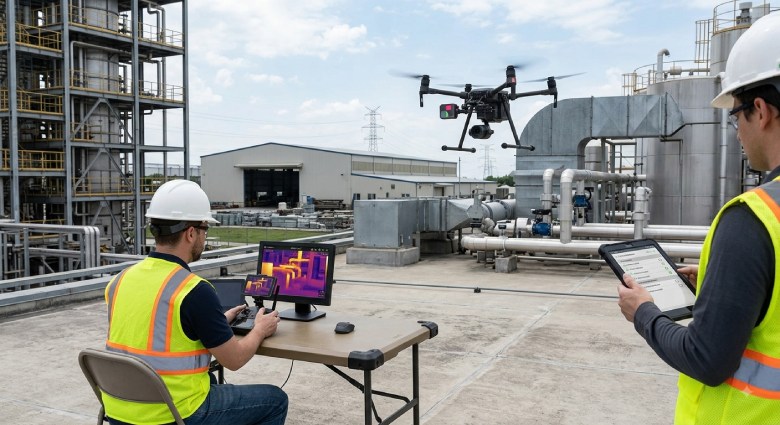
Why Businesses Should Establish Consistent Drone Inspection Procedures
Businesses are relying more and more on the accuracy of information about their property, equipment, infrastructure, and worksites than ever before. With the help of drones, businesses can make these inspections faster, safer, and maybe even more convenient for everyone involved. But just because you have or hire drones to conduct inspections does not mean that you will always get accurate results. By creating a procedure on drone inspection, it will allow businesses to have an easy-to-follow outline on how to conduct drone inspections, what information they will be able to gather, how they will go over the information, and much more.
Improve Inspection Consistency
A consistent process is going to be beneficial to the companies in that the inspections will be carried out in a consistent way each time. In the absence of a consistent process, each inspector can carry out the inspection of the same piece of property in different ways and this will result in inconsistency in terms of the areas inspected, photographing and documenting, as well as reviewing. A process that defines the parameters of the flight paths, the areas inspected, as well as photography, documentation and review, will go a long way in helping to standardize the process of inspection.
Standardized inspections will also help organizations carry out better inspections that yield a higher quantity of good data compared to those that are not standardized. The ability to compare results from an inspection done at one time to another will be helpful in ensuring that the right changes are being tracked across different properties. This is essential for items such as roofs, worksites, facilities, equipment, and other items that undergo gradual changes over time.
Improve Safety Practices
Drone inspection is a safer alternative to some line of work that may involve a dangerous area. However, drone operations require careful consideration prior to any take-off. By creating standard operating procedures, companies can help ensure that proper areas are chosen, conditions are reviewed, communication is established, and when a flight should be cancelled or rescheduled. Developing these standards can help reinforce the expectation that the flights are considered formal business and not casual events.
In addition, having a reliable inspection process can help clarify roles before, during and after a flight. This way companies can establish who is responsible for reviewing the area to be inspected, organizing information, relaying information and filing reports, and if there is a need for further investigations. By doing so, companies can help minimize confusion and encourage employees to adhere to established guidelines. After footage has been taken from the air, workers can help determine the next course of action, and avoid placing themselves in harm's way if an issue is discovered.
Support Better Maintenance Decisions
Drone surveillance will give the company visual information that it requires to conduct maintenance. This visual information will show things like roof damage, drainage problems, structural deformation, and other issues. It is through routine surveillance that managers will be able to know about these emerging issues and plan maintenance accordingly. It means that the company’s maintenance crew will be addressing these problems rather than doing random visual inspections.
The systematic approach to performing drone inspections can also help maintain the records of completed maintenance systematically. For instance, the company can store the data digitally with appropriate tags for easy access. The tags would help the maintenance engineers locate the pictures of a specific site, day, area, assets, or the issue. Some organizations may contract out drone video services to professionals who can capture high-quality imagery and compile them into a video for the managers. It will help have proper documentation to share with other stakeholders or use as a reference while performing maintenance tasks.
Improve Business Efficiency
A standard way of inspecting drones could help in saving time since superfluous preparation and decision making will not be necessary. Expectations about the places where the inspection will take place, paperwork, scheduling, and report writing are set through standard operating procedure, and therefore, workers can be more efficient in their inspections. Moreover, the standard operation procedure could help in identifying those places which should undergo intensive inspection and those which should be identified through the use of drones.
Standardized procedures can also help companies evaluate the usefulness and effectiveness of drone inspection better. Organizations can easily track the progress of drone inspection and see how they can improve by looking at the frequency of inspections, identified issues, and their impact on the business. This will allow companies to build upon their experience, establish optimal frequencies of inspections, and recognize the criticality of a specific issue in order to maximize benefits from their drone usage.
Strengthen Documentation
Reliable documentation is an essential component of any business inspection. By making sure that the drone surveying process is consistent, organizations can ensure that photos, videos, dates, locations, and other information are appropriately recorded in a format that can be easily used to track the history of a property or asset down the line. Additionally, thorough reports may facilitate communication with contractors, maintenance workers, insurers, and other stakeholders by providing more contextual information via images.
Having an organized inventory of inspection data will also contribute to the establishment of accountability. After all, businesses must understand what and when work has been done to maintain an asset to ensure nothing is overlooked. In addition, the reports will help identify patterns and track if recurring issues reported during inspections have been addressed accordingly. Ultimately, instead of being temporary evidence, inspection data can become a permanent part of an organization’s paperwork.
Consistent inspection procedures enable businesses to obtain the maximum benefit from the use of drones in the context of safety, maintenance, operations and documentation. The procedures provide standardized instructions that make it easier for businesses to carry out repeat inspections, perform comparative analysis and be alerted to potential problems during the decision-making process. As a result, business executives can view drones as an integrated component of property and asset management rather than an alternative to conventional methods of data collection and research.
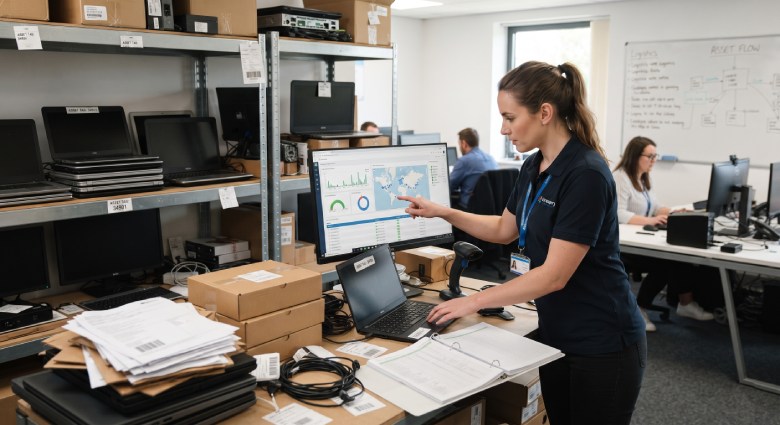







Why HR Teams Should Connect Workforce Planning With Talent Development
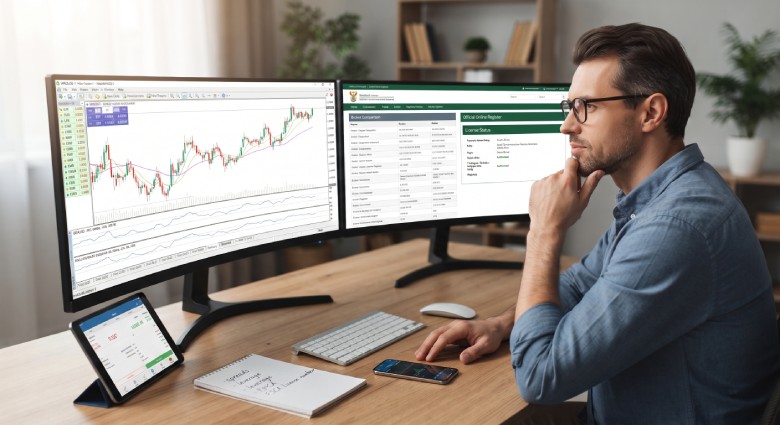
Weltrade Broker Review: Examining Its Tools and Trading Environment