How a Strong Personal Brand Can Showcase Your Professional Skills
A resume can tell employers where you've worked and what you've accomplished, but it rarely captures your personality, creativity, or unique approach to solving problems. In today's competitive job market, recruiters often look beyond a CV to understand who you are as a professional. They browse LinkedIn profiles, personal websites, online portfolios, and even social media to build a more complete picture of each candidate.
One effective way to strengthen your professional image is to use an AI logo generator to better represent your skillsand create a consistent visual identity across your portfolio, website, resume, and professional profiles. While a logo won't replace experience or expertise, it can help communicate confidence, professionalism, and attention to detail—qualities employers and clients value.
Why Personal Branding Matters
Personal branding is no longer reserved for entrepreneurs or influencers. Today, professionals in nearly every industry benefit from presenting themselves consistently online.
Whether you're a software developer, graphic designer, writer, consultant, photographer, marketer, or recent graduate, your online presence shapes first impressions before conversations even begin.
A thoughtful personal brand helps answer important questions:
-
What do you specialize in?
-
What makes you different?
-
What values do you bring to your work?
-
Why should someone choose you over another candidate?
When these answers are communicated clearly, people are more likely to remember you.
First Impressions Often Happen Online
Imagine applying for a position after carefully tailoring your resume.
Before contacting you, the recruiter searches your name online.
They find a polished LinkedIn profile, a clean portfolio, professional visuals, and consistent branding across every platform.
Now imagine another applicant with similar qualifications but outdated profiles, inconsistent information, and no portfolio.
Both may have similar experience, but the first candidate appears more prepared and invested in their career.
That extra effort often makes a meaningful difference.
Visual Identity Builds Recognition
Humans naturally recognize visual patterns.
Companies understand this well, which is why they invest heavily in logos, colors, typography, and design systems.
Professionals can benefit from the same concept.
A simple personal logo doesn't need to be elaborate.
It could include:
-
Your initials
-
Your full name in a distinctive style
-
A clean symbol connected to your profession
-
Minimal typography with subtle colors
Using these elements consistently across your digital presence creates familiarity and reinforces your personal brand.
Portfolios Speak Louder Than Claims
Anyone can list skills on a resume.
Showing those skills creates much stronger credibility.
Your portfolio can include:
-
Case studies
-
Writing samples
-
Marketing campaigns
-
Coding projects
-
Presentations
-
Photography
-
Design work
-
Research
-
Volunteer projects
Even if you're just beginning your career, personal projects demonstrate initiative and curiosity.
Employers appreciate candidates who actively build experience outside traditional workplaces.
Keep Your Branding Consistent
Consistency is one of the simplest ways to appear professional.
Use the same profile picture across platforms.
Write similar biographies on LinkedIn and your personal website.
Choose one or two primary colors.
Maintain a consistent writing style.
These details make your online presence feel intentional rather than scattered.
Over time, consistency builds trust.
Tell Stories Instead of Listing Achievements
Many resumes focus entirely on responsibilities.
Instead, explain the results of your work.
Rather than writing:
"Managed social media."
Say something like:
"Developed a content strategy that increased audience engagement by 40% within six months."
Specific examples make accomplishments believable.
They also help employers imagine how you might contribute to their organization.
Continue Learning
One of the qualities employers admire most is curiosity.
Industries change rapidly, and professionals who continue learning remain valuable.
Share milestones like:
-
Completing certifications
-
Learning new software
-
Finishing online courses
-
Speaking at events
-
Publishing articles
-
Completing side projects
These updates demonstrate commitment to growth.
Over time, they become evidence of continuous improvement.
Networking Becomes More Effective
Strong personal branding makes networking easier.
Instead of introducing yourself with only your job title, you can communicate what you genuinely enjoy doing.
For example:
"I help small businesses simplify their marketing through clear, engaging content."
That introduction is memorable because it explains both expertise and purpose.
Whether you're attending conferences or connecting on LinkedIn, people are more likely to remember professionals with a clear identity.
Avoid Common Branding Mistakes
While building your professional image, avoid a few common pitfalls.
Trying to Copy Others
It's perfectly fine to seek inspiration, but your brand should reflect your own personality and strengths.
Authenticity creates stronger long-term connections.
Making Everything Too Complicated
Simple branding often looks more professional than excessive graphics or bright colors.
Clean designs usually age better.
Ignoring Small Details
Broken portfolio links, outdated contact information, inconsistent profile photos, and spelling mistakes all weaken credibility.
Review your online presence regularly.
Forgetting Your Audience
Think about who will visit your profile.
Recruiters?
Potential clients?
Hiring managers?
Tailor your content accordingly while remaining authentic.
Small Improvements Lead to Bigger Opportunities
Building a professional reputation doesn't happen overnight.
It's the result of consistent actions.
Updating your resume.
Improving your LinkedIn profile.
Creating a portfolio.
Learning new skills.
Sharing valuable insights.
Helping others in your industry.
Each step contributes to a stronger personal brand that grows over time.
You don't need perfection.
You simply need consistency and a willingness to improve.
Confidence Comes From Preparation
Many people believe confidence is something you're born with.
In reality, confidence often comes from preparation.
When your portfolio is organized, your profiles are updated, your work is showcased effectively, and your professional identity is clear, interviews become less stressful.
Instead of worrying about making a good first impression, you've already created one before the conversation begins.
Conclusion
A strong personal brand helps your experience, personality, and expertise work together to tell a compelling professional story. While qualifications remain essential, the way you present those qualifications can influence how others perceive your value.
By investing time in your online presence, maintaining consistency, showcasing real work, and continuing to develop your skills, you'll create a professional identity that stands out for the right reasons. In an increasingly digital world, thoughtful branding isn't about self-promotion—it's about making it easier for opportunities to find you.
How a Strong Personal Brand Can Showcase Your Professional Skills

Top 8 IoT Software Development Companies to Hire in 2026
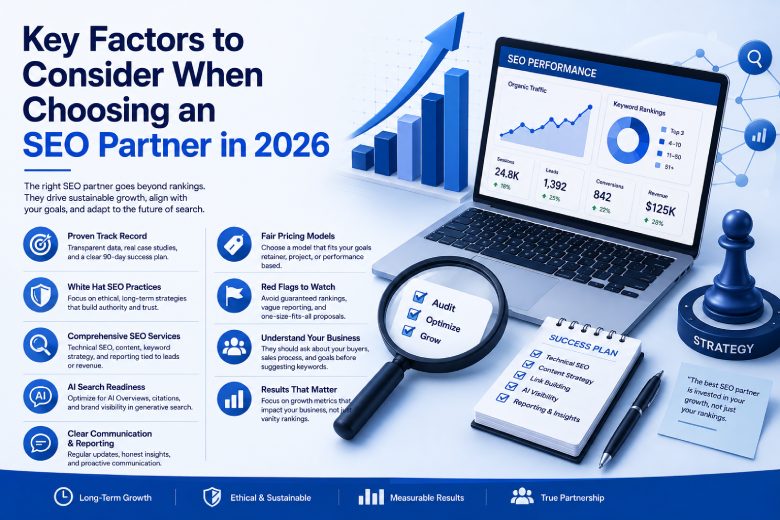
Key Factors to Consider When Choosing an SEO Partner in 2026


Zap Internet Gaming Corner: Everything You Need to Know in 2026